
Dental Implant Cost Melbourne: What Influences the Price?
Replacing a missing tooth is an important oral health decision, and many people researching treatment options often want to understand what may influence the overall cost of dental implants.
Dental implant treatment is highly individualised, which means costs can vary depending on several clinical factors. Rather than a single fixed price, treatment recommendations are based on a comprehensive assessment of your oral health, treatment requirements, and long-term goals.
This article explains some of the factors that may influence dental implant costs in Melbourne and what to consider when exploring tooth replacement options.
What Is a Dental Implant?
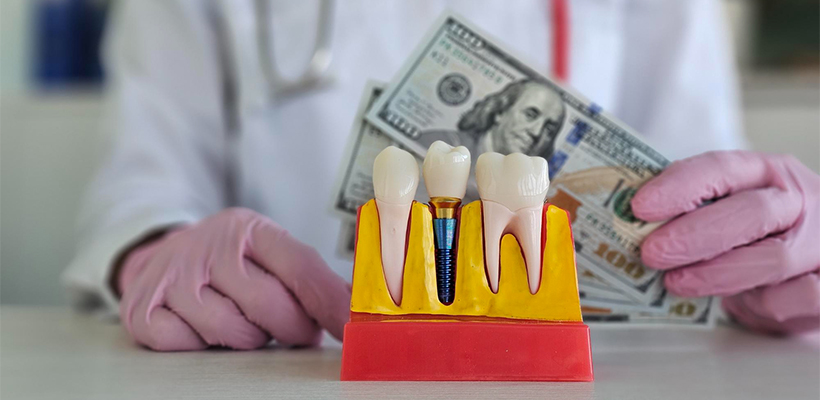
A dental implant is a dental restoration used to replace a missing tooth. It typically consists of:
- A titanium implant placed into the jawbone
- An abutment that connects the implant to the restoration
- A custom-made dental crown
Dental implants are commonly used to replace individual missing teeth, multiple teeth, or support full-arch restorations where clinically appropriate.
As with any dental treatment, suitability depends on individual clinical circumstances and should be assessed by a dental professional.
Factors That May Influence Dental Implant Cost
Dental implant treatment is highly individualised, which means there is no one-size-fits-all cost. Several clinical and treatment-related factors may influence the overall treatment plan, including the number of teeth being replaced, the condition of the jawbone, and the complexity of the procedure required. Understanding these factors can help provide context when discussing treatment options with your dentist.
1. Number of Teeth Being Replaced
The number of teeth requiring replacement is one of the factors that may influence the overall cost of dental implant treatment.
For example:
- A single dental implant may involve one implant and one crown
- Multiple missing teeth may require several implants
- Full-arch restoration treatment may involve a different treatment approach
Because every case is different, the treatment approach will depend on your specific needs and the condition of your remaining teeth and gums.
2. Bone Volume and Jaw Structure
Successful implant placement generally requires sufficient bone support.
Some patients may require additional procedures before implant placement, such as:
- Bone grafting
- Sinus augmentation
- Ridge preservation procedures
Where additional procedures are required, they may form part of the overall treatment plan prior to implant placement.
3. Implant System and Materials Used
The materials and components used as part of implant treatment may vary depending on the clinical requirements of each case.
Factors that may influence costs include:
- Type of implant system
- Crown material selection
- Laboratory requirements
- Customisation of the restoration
Treatment recommendations are based on clinical requirements and individual suitability.
4. Complexity of Treatment
Every patient's oral health condition is different.
Treatment complexity may be influenced by:
- Existing oral health conditions
- Position of missing teeth
- Bite alignment
- Gum health
- Previous dental treatment history
In some cases, additional planning, preparation, or treatment stages may be required to support the best possible outcome.
5. Diagnostic Imaging and Treatment Planning
Comprehensive planning is an important part of implant treatment.
This may involve:
- Clinical examination
- Digital scans
- X-rays
- 3D imaging where clinically appropriate
Diagnostic procedures help your dentist understand your oral health and plan treatment that is appropriate for your situation.
Are Dental Implants Suitable for Everyone?
Dental implants may be suitable for many adults experiencing tooth loss. However, suitability depends on factors such as:
- Overall oral health
- Gum health
- Bone support
- Medical history
- Smoking status
- Individual treatment goals
A consultation is required to determine whether implant treatment is appropriate.
Why Professional Assessment Matters
While many people search for dental implant costs online, treatment costs can only be accurately discussed following an assessment.
During a consultation, your dentist may:
- Assess your oral health
- Review diagnostic imaging
- Discuss available treatment options
- Explain potential treatment stages
- Provide an individualised treatment plan
This allows recommendations to be tailored to your specific needs.
Considering Dental Implant Treatment in Melbourne?
If you are exploring options for replacing missing teeth, a professional dental assessment can help determine whether dental implants may be suitable for your situation.
The team at New Age Dental™ can assess your oral health, discuss treatment options, and answer any questions you may have regarding implant treatment.
Frequently Asked Questions
Dental implant costs vary depending on individual treatment requirements, the number of teeth being replaced, and whether additional procedures are required.
Costs may vary due to factors such as treatment complexity, implant type, restorative materials, and additional procedures.
Dental implants are designed as a long-term tooth replacement solution, although longevity can vary between individuals.
Yes. A clinical assessment is typically required before treatment recommendations and associated costs can be discussed.
Depending on your oral health and treatment needs, dental implants may be used to replace one or multiple missing teeth.
Jun, 15, 2026
